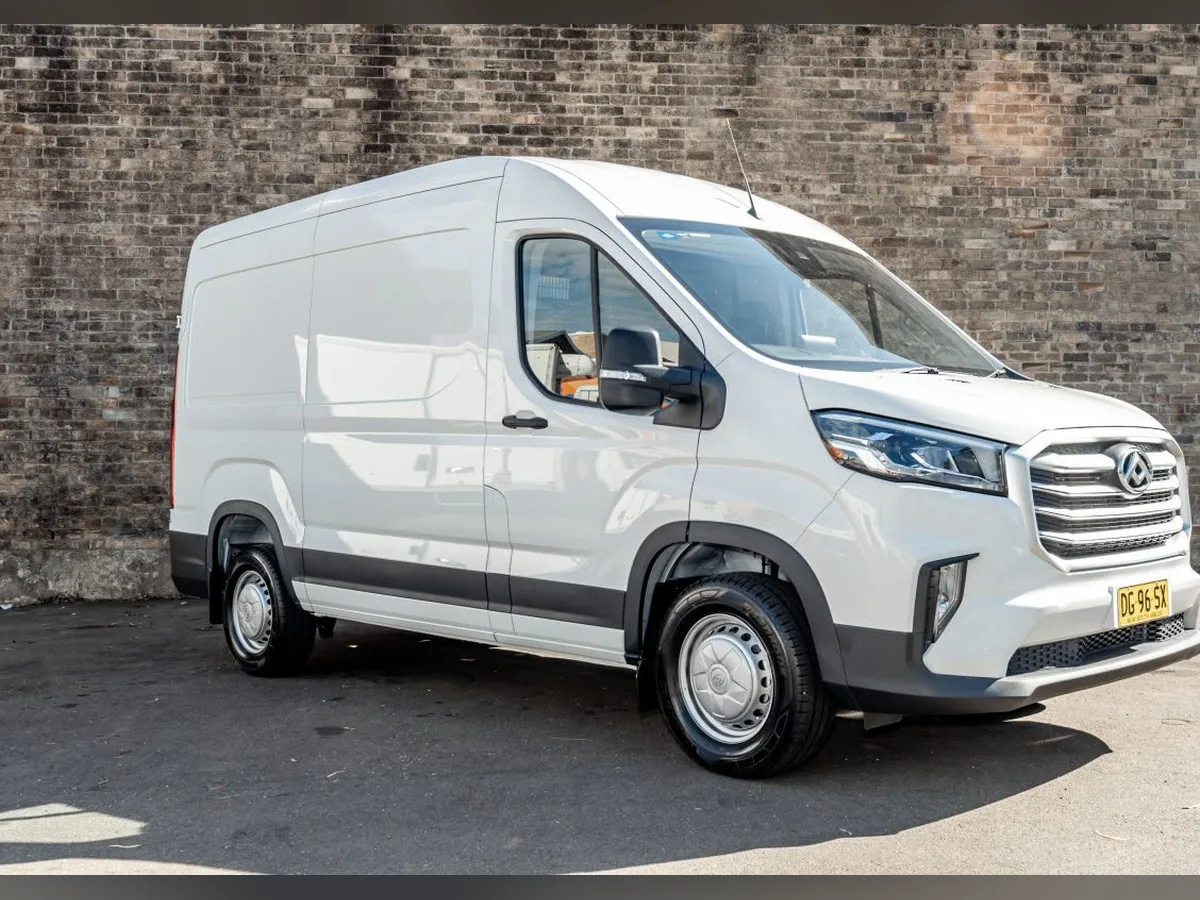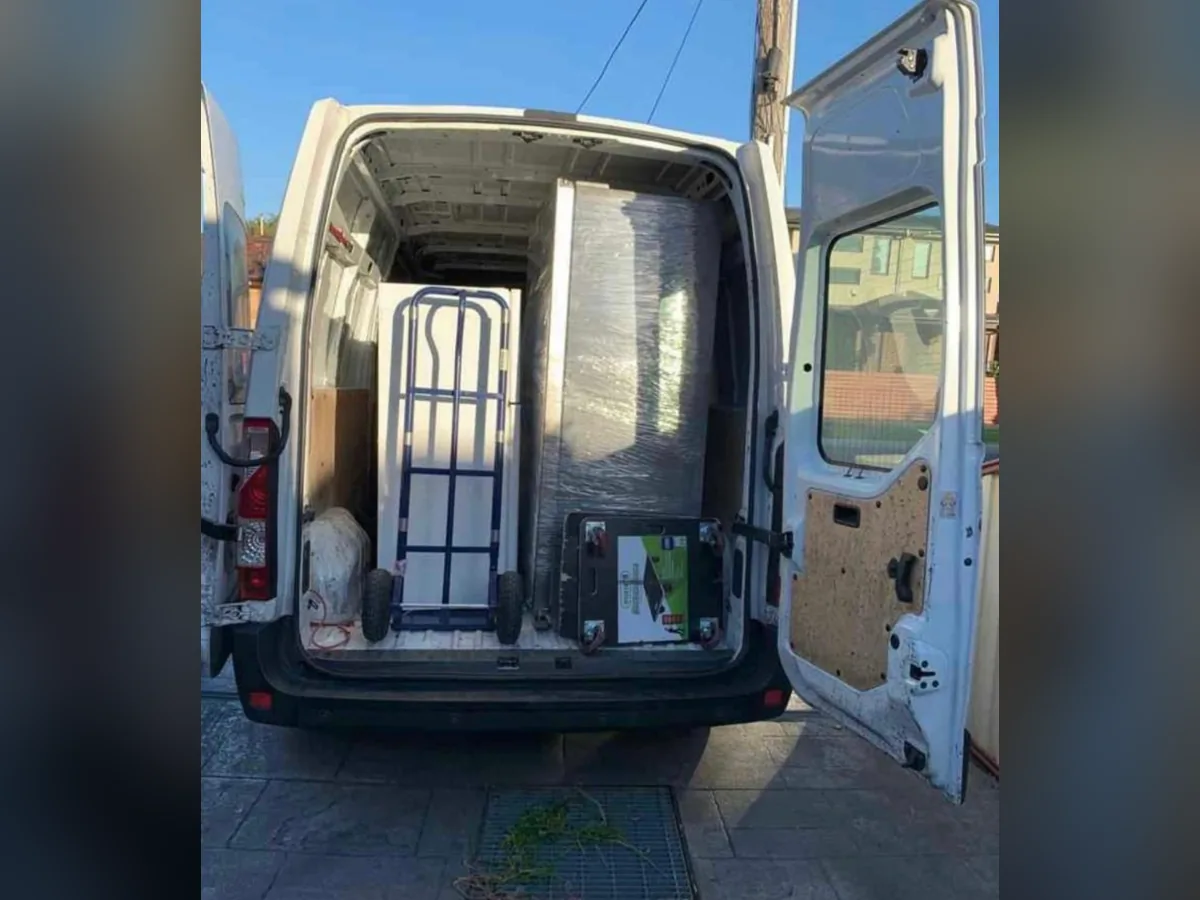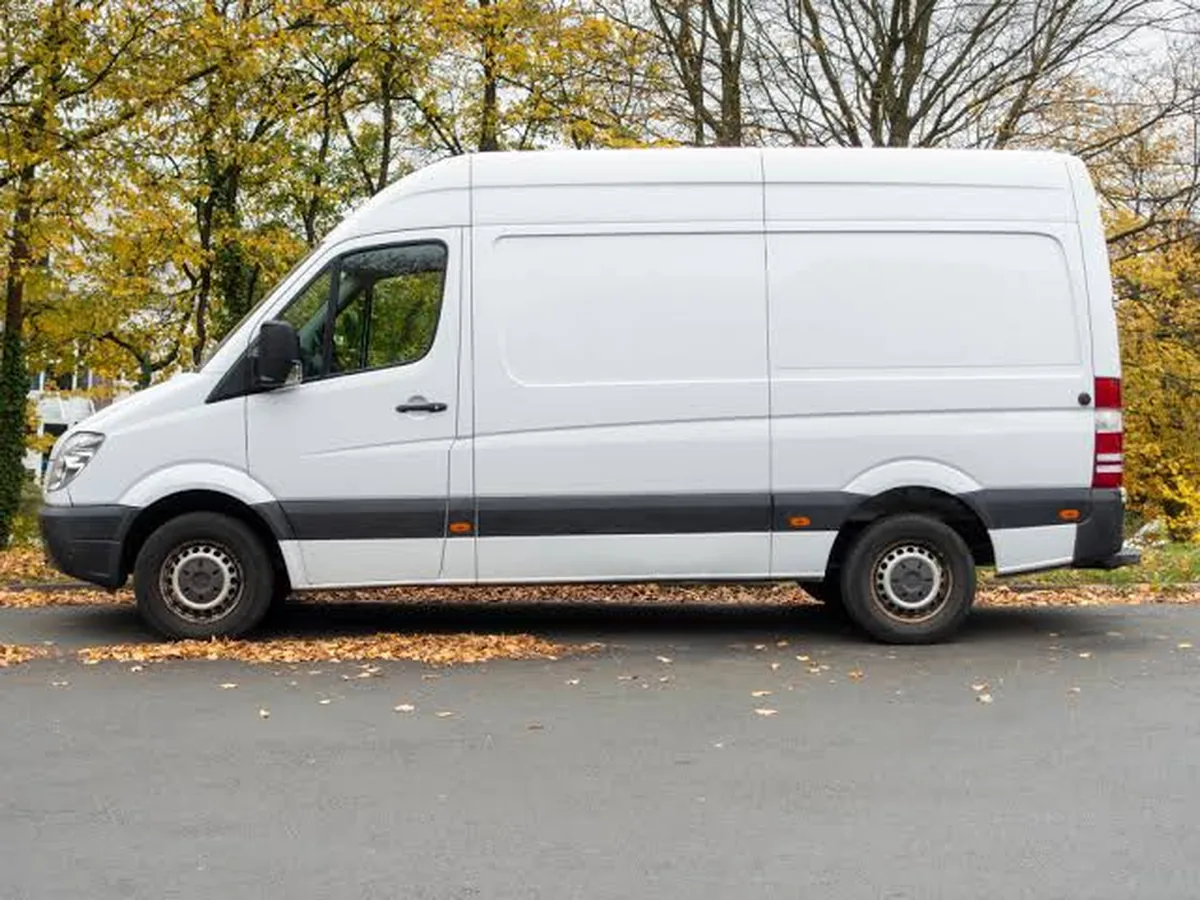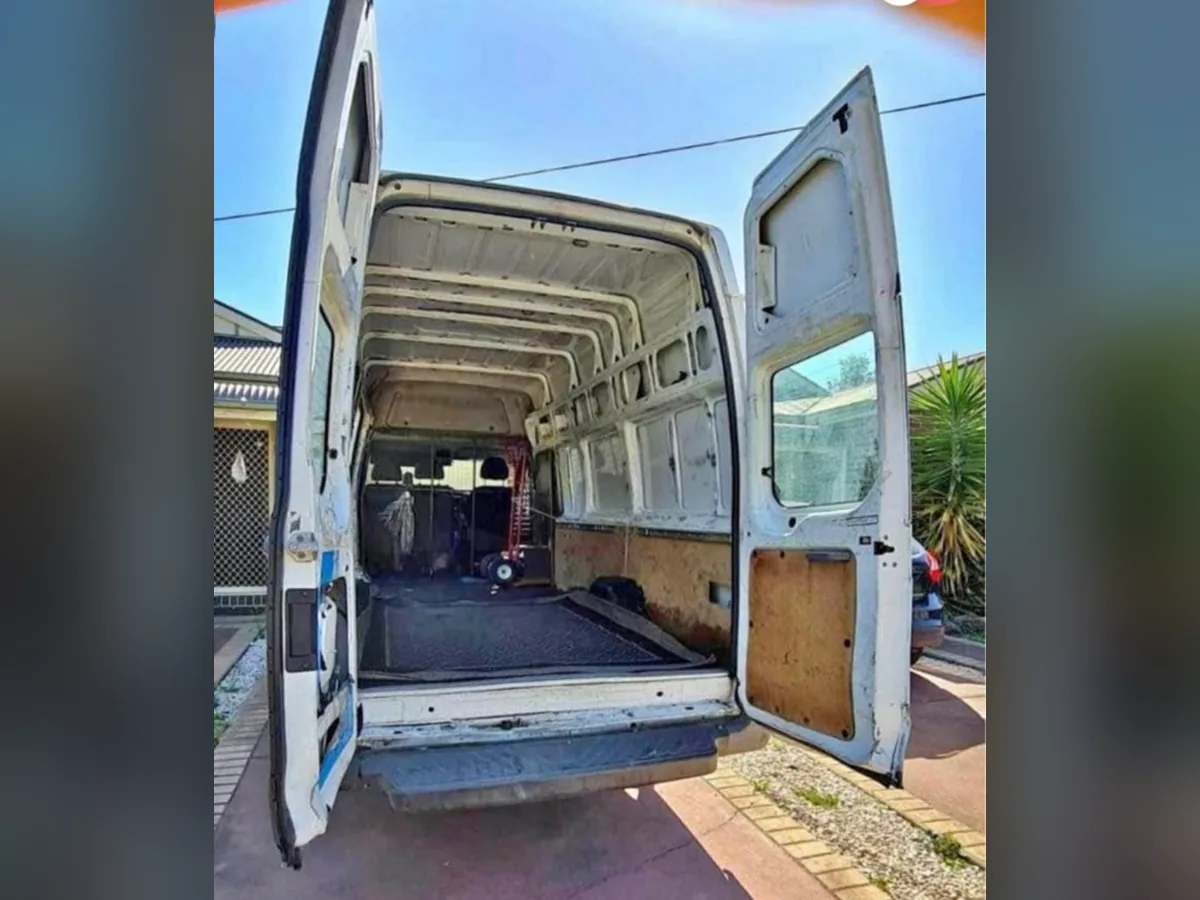
Big commercial removalists are set up for moving whole floors. Most Melbourne small businesses don't need that. A two-person accounting practice, a design studio or a clinic front desk usually has a handful of desks, some chairs, a filing cabinet, a printer and a few computers. One van and a well-planned evening can handle that.
Will a small office fit in one van?
Usually, if you have up to about five workstations. Desks with removable legs, office chairs, filing cabinets, a small meeting table and boxed files all pack tightly. Big boardroom tables, compactus shelving and server racks are another matter. Send us photos and we'll tell you whether it's one trip or two.
Our post on how much fits in a moving van explains van capacity in cubic metres if you want to work it out yourself.
How much does a small office move cost?
Our rate starts from $50 per hour and the estimate is agreed before we start. The main things that change the price are how far apart the two offices are, how long the walk is from the desk to the van, and how long you wait for lifts.
For context, Finder puts typical Melbourne rates for two movers and a truck at around $114 to $300 an hour. If your office genuinely needs a truck and a crew, that's the range to budget for. If it doesn't, a van is cheaper. See our removalist cost per hour guide for a fuller comparison.
What building rules do I need to check?
Check both buildings at least two weeks before. Commercial buildings, especially in the CBD and Southbank, often have rules about when goods can move and how.
- Lift bookings: many buildings want the goods lift booked in advance, sometimes in fixed time slots.
- Loading dock access: find out the dock's hours, the height clearance and whether you need to book it.
- Bonds and paperwork: some buildings charge a refundable bond and want the mover's documents before the day. Ask the building manager for the list, then ask us for what your building needs.
- Floor and wall protection: some managers want lift padding or corridor protection. Ask whether they supply it.
If the van has to stand on the street, you may need a council parking permit. In the City of Melbourne it's a Reserved Parking Permit, and applications go in more than five business days ahead. Our parking permit guide covers Yarra and Port Phillip as well.
Can we move after hours to avoid downtime?
Yes. We're open 24 hours, 7 days, so a Friday evening or weekend move is a normal booking for us. Your team packs on Friday afternoon, we move that night or on Saturday, and on Monday everyone plugs in at the new desks.
After-hours moves often suit the building too, since many commercial buildings prefer goods movement outside business hours. Check that your building's security will let us in and that the lifts will run. More detail is in night and early-morning moves.
How should we pack computers and IT gear?
Back up first. Before anyone unplugs anything, make sure files are synced to the cloud or copied to a drive that travels with you, not in the van.
- Photograph the back of each computer and the network cabinet before you unplug, so you can reconnect it the same way.
- Bag and label each person's cables, keyboard and mouse together.
- Pack monitors in their original boxes if you have them. If not, we wrap them in moving blankets and keep them upright.
- Laptops travel with their owners. So do hard drives with client data and anything confidential.
- Book the internet connection at the new address well in advance. A missing connection causes more downtime than the move itself.
How do we pack and label so we can unpack quickly?
Number every desk on a simple floor plan of the new office. Give each person their own number and have them label their boxes, chair and monitor with it. At the other end, we put everything at the matching number, so nobody spends Monday searching for their stapler.
Empty desk drawers and filing cabinets unless the cabinet is built for moving full. Loaded filing cabinets are heavy and the runners can bend. Archive boxes of files are easier to carry and stack in the van.
Shared areas, such as the kitchen, stationery cupboard and printer, should have one owner who packs and labels them. Our room-by-room packing guide has tips for the kitchen.
Is there anything we should move ourselves?
Yes. Take cash, cheques, keys, safe contents, client files that must stay in your custody and backup drives yourself. Anything flammable or pressurised, like gas bottles or aerosol stock, should be sorted out separately too. Our post on what removalists won't move lists the usual exclusions.
Large or heavy items like a safe or a commercial printer need a check first. Send us the model and a photo, and we'll tell you whether our trolley and ramp can handle it.
What's a sensible timeline for a small office move?
| When | Task |
|---|---|
| 4 weeks | Confirm the lease dates; book internet at the new address; get quotes |
| 2 to 3 weeks | Book lifts and docks at both buildings; apply for any council permit; draw the floor plan |
| 1 week | Clear out old files and furniture; order boxes; tell clients and suppliers your new address |
| Move day | Back up; staff pack desks; we load, move and place items by number |
| Next working day | Reconnect, test printers and phones, flatten boxes |
For a quote, WhatsApp photos of the office to 0430 400 312 or use our quote form. The office relocations page has more about how we work. Diamond Removalist is a registered Australian business (ABN 13 940 246 361), so you can put us through your accounts like any other supplier.